What details help when the affected building is not the one nearest the street?
Provide a clear building label and explain the safe route using details you already know. State whether entry is restricted and who can approve access. A map pin or mailing ZIP can locate a general area, but the work request still needs to name the actual opening and building.
What to establish first
Use a short opening list rather than a broad instruction to secure the site. For each building, list the door, window or roof area that needs a check. Say whether you saw it safely or used an earlier photo. Do not enter a restricted building to complete the list.
If keys, gates or other practical access arrangements are involved, name the approved contact and confirm how access will be provided. Keep private access codes out of public notes. An available route should not be assumed safe for workers or equipment until the person in charge assesses the conditions.
Agree the cleanup scope
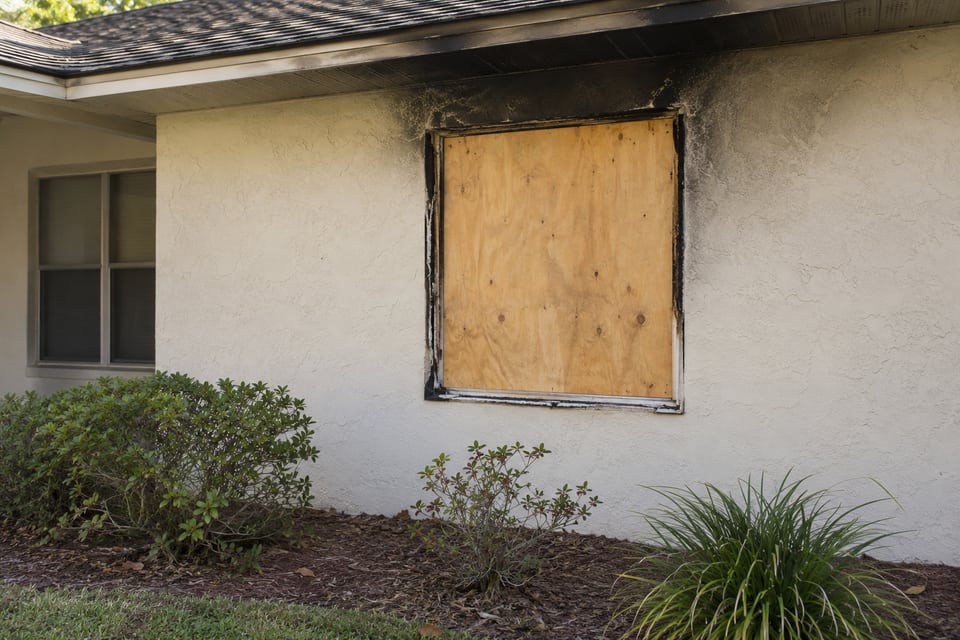
Ask the written plan to name temporary protection by opening and building. Check what the cover is meant to do and which parts will be taken out. If it cannot be safely attached, ask how a change will be approved. A quote for one opening should not be treated as coverage for every exposed part of the site.
Decide on full repairs in a separate scope. If the frame, roof or other building parts are damaged, ask for a qualified check. Find out which permits the repairs need. The fact that temporary protection is urgent does not establish that all later work is exempt or that one license covers every trade.
- Which building and opening does the approval cover?
- Who provides access and approves changes?
- How is temporary protection handed over to the repair team?
Local checks and the next decision
Western Fort Pierce address inquiries can involve city or county permit jurisdiction. Use the parcel location to name the authority before final repair applications are prepared. The county handles permit questions for sites outside city and village limits. A postal label cannot settle the question.
Tell us about existing official restrictions and the exact protection need when you call. Have safe photos and the approved contact available if possible. Scheduling, equipment suitability and the scope of work must be confirmed. Agree the visit time and what the temporary protection is meant to address.