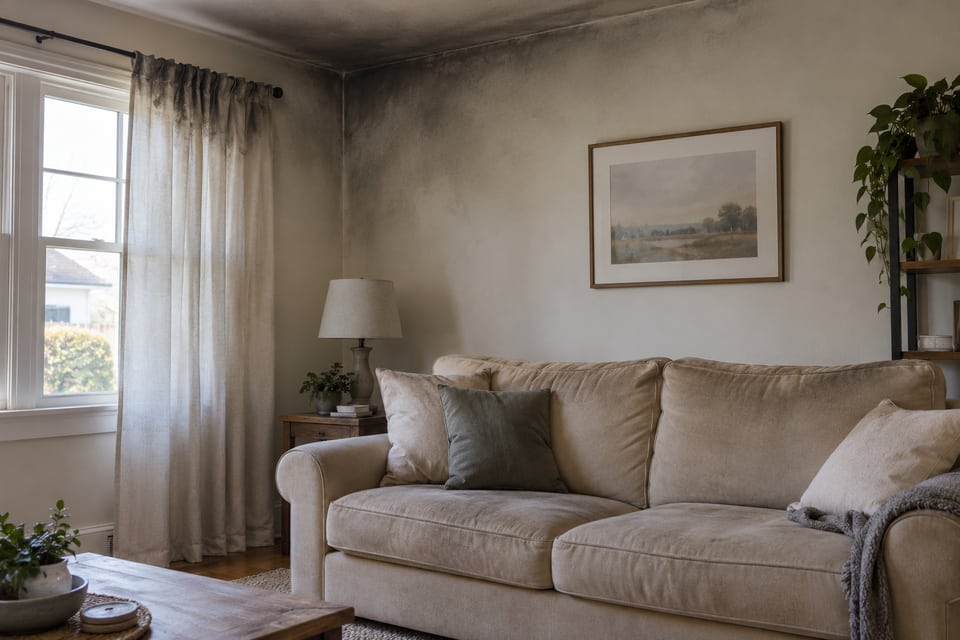
How do I decide what to keep after a fire?
Start with an inventory, then make decisions by item and material. Separate safety concerns from cleaning cost, replacement value and personal value. Do not assume an item is safe or beyond saving from one photograph.
Sort the decisions before sorting belongings
Start with a list of priority items while you are somewhere safe. You might need an ID card, a family photo or a work laptop. Add any key item of furniture. Naming these priorities does not mean you should retrieve them yourself. It tells the assessor which items matter most to you.
Keep three questions separate: can the item be safely used, can its condition be improved, and is the planned work worth approving? You may make a different choice for a keepsake than for an item that is easy to replace. That can be true even when the damage looks much the same.
Food is a separate safety category. The Red Cross advises discarding food exposed to heat, smoke or soot. Do not include it in a general request to clean and return household contents.
American Red Cross
Give each item a record that can follow it
An item list is most useful when you can still name each item later. Use a room name, a brief description and a photo reference. For a set of belongings, record how many pieces are included. Describe what you can see. Do not guess at the value or assume the item can be saved.
If items leave the home, get a list. It should say what was taken, where it will go and who will hold it. For boxes, agree how the contents will be recorded. A box count alone may be too vague to resolve a question about one item.
St. Lucie County Fire District advises making a list of damaged items. Document the loss before you throw things out. Ask the insurer what records it needs and how unsafe items should be handled. Do not keep hazardous goods in a living space just to preserve a claim.
- Name urgent personal records and high-priority keepsakes.
- Keep an item list with photographs or existing purchase records.
- Record planned cleaning, disposal or specialist assessment separately.
- Get a receipt for belongings that leave the property.
www.slcfd.com
Choose an item-specific cleaning scope
Clothing, a framed work on paper, a hard cabinet surface and an electronic device should not disappear into one line labeled “contents.” Ask which items can be assessed with a limited cleaning test and what that test is intended to establish. A trial can inform a decision without committing every similar item to the same work.
For art, papers and delicate or high-value items, seek advice from a specialist before cleaning. A clean-looking electrical item still needs a qualified safety check. Do not power up, open or test damaged equipment.
Compare cleaning charges with packing, transport, storage and return charges. Ask what happens if an item cannot be restored to an agreed result, and who must approve disposal. An insurer decides what it will pay. A cleaner explains what work may help. Check both before you agree to the cost.
Plan where cleaned items will return
Before items come back, check which rooms are ready and which still need repairs. Avoid an open-ended instruction to bring everything back when only part of the property is available. Keep the delivery list tied to the first inventory.
Review priority items and record any concern about appearance, odor, missing parts or a change in condition. Ask which items remain in storage, were referred for specialist assessment or are awaiting a disposal decision. Keep the records until the work and any insurance questions are resolved.
Contents cleaning is not a promise that every possession can be saved. You need to know what can come home, what needs more checks and what must be replaced. Make sure your approval is on record before anything is thrown away.
Questions about this work
Should everything be thrown away?
Make decisions item by item after safe access and assessment. Document losses and check insurer instructions before disposal where it is safe to do so. Food exposed to heat, smoke or soot has a separate discard recommendation.
Will cleaning restore an item to the same state as before?
That cannot be promised from a description. Ask what result is realistic for the specific material, whether a test is useful and what charges apply if the item cannot be restored.