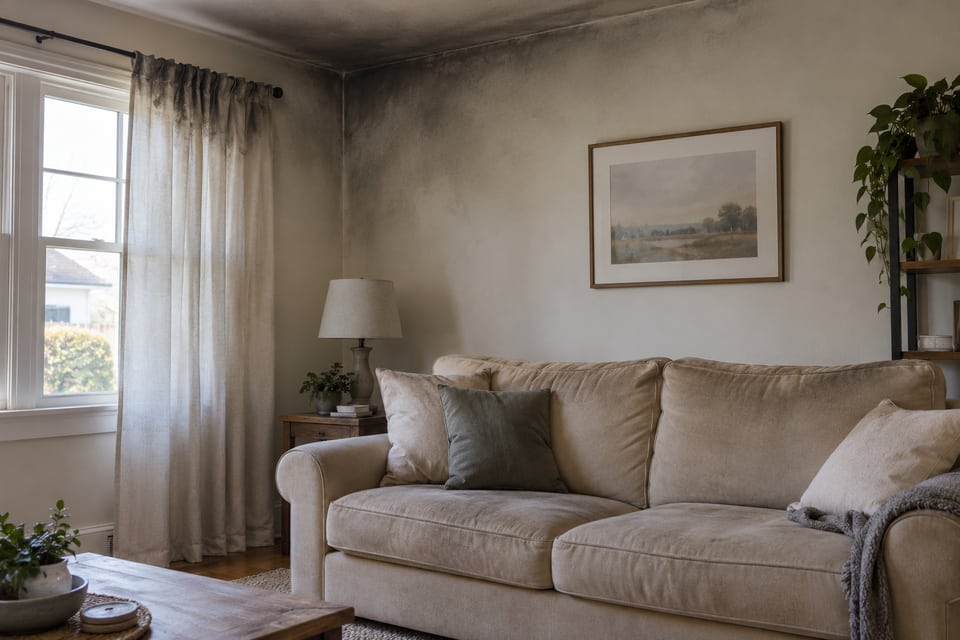
What should I ask when an odor returns after painting or cleaning?
Ask what was treated, what was left in place and whether the original source was established. Bring the prior scope and a description of the returning odor by room. A second treatment should address the unresolved question, rather than assume that a different fragrance or a larger device is the answer.
What to establish first
Build a brief treatment history before the next review. Include dates, rooms, removed materials and any product names you know. State plainly when a detail is missing. You do not need to diagnose a concealed source to explain that the result has not matched the expectation in the earlier agreement.
If the site is occupied, describe any restrictions already given by officials or a qualified professional. Do not deliberately close yourself into a room, run a disconnected system or increase exposure to test when the odor returns. Report ordinary observations and let the review establish what further checks are right.
Agree the cleanup scope
Ask the next written plan to name what must be inspected before more surface treatment begins. Ask if items you kept, room finishes or closed-off areas need more checks. These are possible scope questions, not a claim that any specific material in your home contains residue.
Have the agreement explain how the work will be reviewed and how a continuing concern is raised. No one can prove air safety merely by asking whether you still smell smoke. EPA warns that a lack of ozone smell does not prove a safe level after an ozone device is used.
- Which earlier treatment records are available?
- What unresolved source question remains?
- What is the review process if odor is still noticed?
Local checks and the next decision
If a review calls for changes to the building, check who issues permits. Use the street address to choose the city or county office. A Fort Pierce mailing label is not enough to assign a permit office. Ask who will check any work outside cleaning and which professional qualifications apply to that added scope.
When calling, lead with the fact that work has already been attempted and explain where the concern remains. That helps separate an initial cleanup request from a follow-up review. Keep the previous contract and any written completion terms. Ask what a follow-up can reasonably assess and how its result will be reviewed.
www.slcfd.comU.S. Fire AdministrationSt. Lucie CountySt. Lucie CountyU.S. Environmental Protection Agency