What should I have ready for a first call?
The street address, a safe contact number and a short description are enough to begin. Say whether fire authorities have allowed entry. Do not go back inside to gather details for the call.
Describe what is known and what is unknown
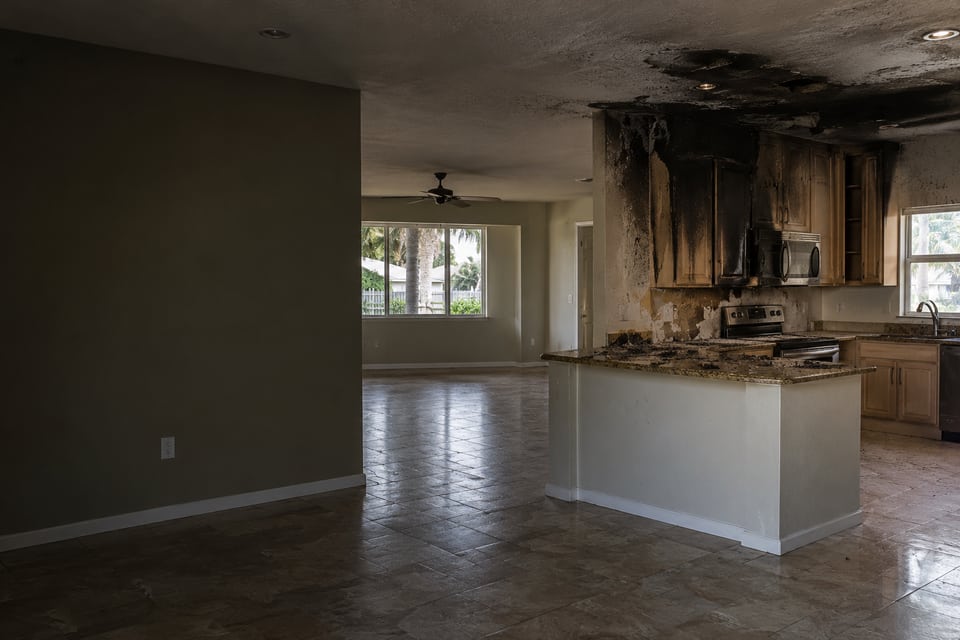
Tell us whether the concern is visible soot, smoke odor, water left after firefighting, an exposed opening or damaged belongings. If part of the building has not been checked, say that. A clear unknown is more useful than a guess.
Provide the full property address, including a unit number if relevant. A ZIP code helps locate the home. It does not prove that work is available, that entry is safe or which office handles permits.
- When the fire occurred, if known.
- Whether the fire department has released the property for entry.
- Which rooms or openings are affected, based on safe observations.
- Whether you are the owner, tenant or approved property manager.
- Any gate, shared-building or investigation restriction affecting access.
Confirm the details before a visit
Ask which business would attend, whether your address and requested task are accepted, and what any inspection or visit would cost. Check the expected time directly; this website does not promise a fixed response time or continuous availability.
For repair work that needs a license, ask for the relevant license details and verify them. For a claim, contact your insurer. Ask what to report, what records to keep and what it may pay. A call to this number does not open a claim or establish coverage.
Share only what the inquiry needs
Keep card details, IDs, passwords and gate codes private. Check who wants them and why before you share them. Call 911 about an immediate threat.
Our contact route is by phone. Read the Privacy policy and Terms for details about the website and the service arrangement.
U.S. Fire Administration